
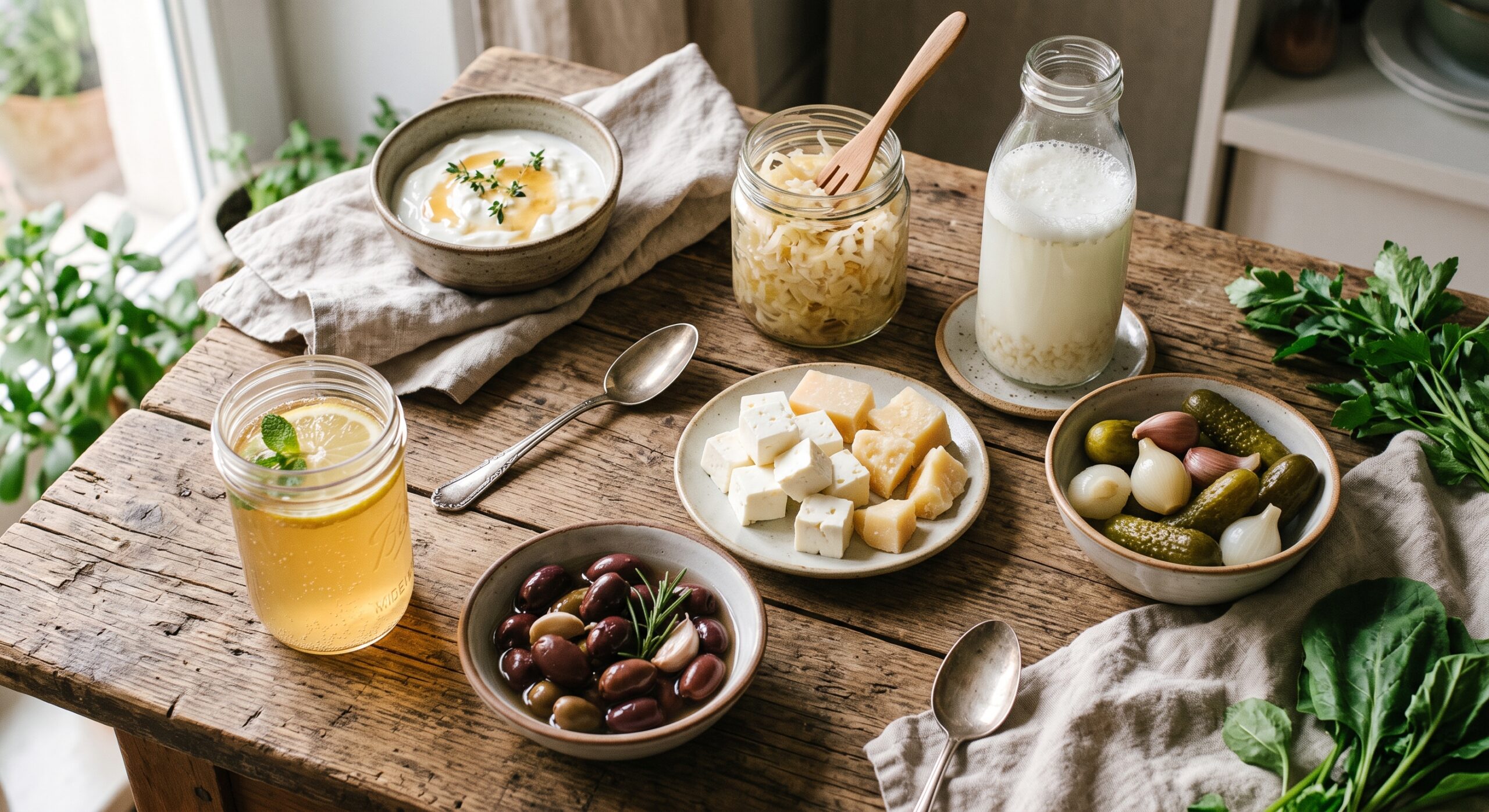
6 Natural Sources of Probiotics for a Healthy Gut and Wellbeing
Digestive health is the cornerstone of our overall wellbeing. The gut is often called the body's «second brain», as the balance of the microbiome directly affects digestion, mood, weight management and immune function.
Probiotics are the “friendly” live bacteria that colonise our gut.
Although dietary supplements are often a solution, including natural probiotic-rich foods in your daily routine is the most meaningful and enjoyable way to nourish your microbiome.
What are prebiotics & synbiotics?
Probiotics should not be confused with “prebiotics”, which are usually complex carbohydrates (such as inulin and other fructo-oligosaccharides) that probiotics use as food. “Synbiotics”, on the other hand, are commercial products that contain both prebiotics and probiotics.
Yogurt
Yogurt is one of the best sources of probiotics. It is made from fermented milk to which live microorganisms have been added.
It is a food with multiple benefits: it strengthens the skeletal system thanks to the calcium it contains, supports healthy digestion through its good bacteria, and also supports cardiovascular health thanks to its combination of probiotics and potassium. In addition, yogurt is often well tolerated even by people with lactose intolerance. The probiotics break down part of the lactose and convert it into lactic acid, which makes it much easier to digest than ordinary milk. However, heavy industrial processing can destroy these bacteria, so choose authentic, traditional yogurts and avoid packaged desserts.
Kefir
Kefir is a fermented dairy drink made by adding special kefir grains to milk.
Thanks to its high concentration of calcium, vitamin K2 and magnesium, it is an excellent ally for strong bones and protection against osteoporosis. At the same time, its probiotics nourish the gut microbiome and strengthen the body's natural defences. As with yogurt, fermentation converts lactose into lactic acid, making kefir a much gentler and more easily digestible option for the stomach than plain milk.
Pickles
Pickles are made by placing vegetables in brine (salted water), where they stay for a certain time until their natural fermentation is complete. During this process, the vegetables' lactic acid bacteria are activated, giving them their classic sour taste. They are an excellent source of probiotics and an ideal choice for a light, very low-calorie snack. They also provide vitamin K, which is essential for proper blood clotting and bone health.
Pickles made with vinegar lack live probiotics, as vinegar deactivates the beneficial microbes.
Aged cheeses
Although most cheeses are fermented products, not all of them contain active probiotics.
Cheeses that offer probiotics include traditional feta, gouda, cheddar, parmesan, fresh mozzarella and cottage cheese, as well as traditional Greek options such as katiki, xinomyzithra, galotyri, kopanisti, xinotyri and ricotta.
Olives (in brine)
Traditional olives that ripen naturally in brine (water and salt) undergo fermentation, driven mainly by beneficial lactic acid bacteria. Besides valuable probiotics, they provide heart-protective monounsaturated fatty acids and powerful antioxidants such as vitamin E and polyphenols.
*Consume in moderation due to the sodium content, especially if you have high blood pressure.
Kombucha
Kombucha is a naturally fizzy drink produced by fermenting black or green tea with the help of a symbiotic colony of bacteria and yeasts (known as SCOBY). The process produces friendly bacteria, organic acids and antioxidants that support digestive health and help boost the body.
*Choose raw, unpasteurised kombucha with a low added-sugar content, as heat treatment destroys the live bacteria.
Probiotics are key to the body working properly, directly supporting the gut microbiome. Regularly including such natural foods in a balanced and varied daily diet is one of the most meaningful steps towards protecting your health in the long term.

Alexandra Papantoni
Founder of Nutrial. She helps every person build realistic, healthy habits tailored to their own daily life.